KOSPI Plunges 12%: Unpacking Korea's Market Vulnerabilities
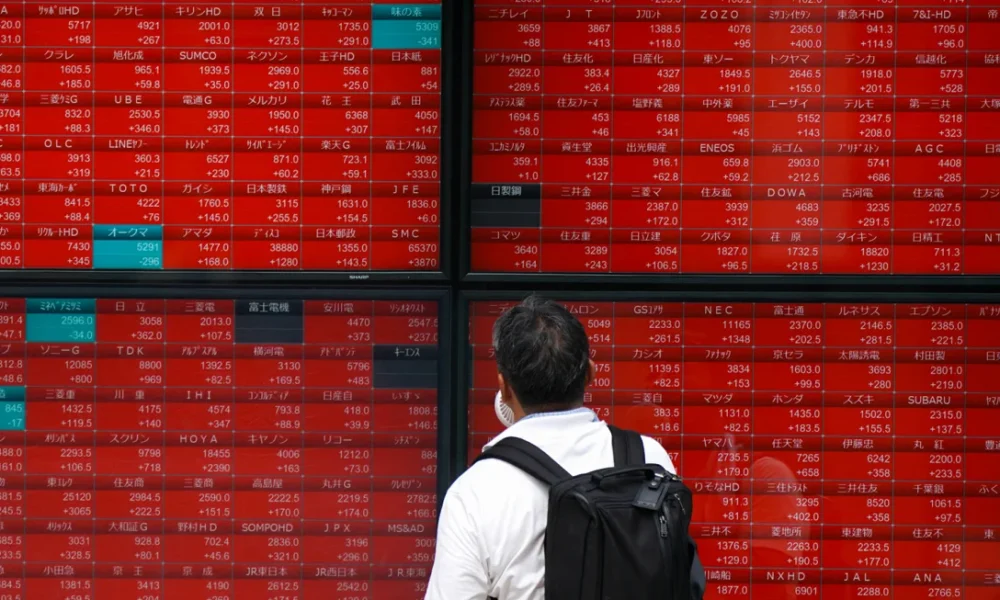
The financial world reeled on a recent Wednesday as South Korea's benchmark KOSPI index plummeted an astonishing 12.1%, marking its worst single-day crash in history. This unprecedented sell-off dwarfed even the 12.02% decline triggered by the September 11 attacks in 2001, sending shockwaves through global markets. Within minutes of the opening bell, circuit breakers were tripped, halting trading as panic gripped investors. Out of over 800 stocks on the index, a mere ten managed to close in positive territory, painting a stark picture of widespread capitulation. The dramatic event, which saw
South Korea stocks experiencing their worst plunge ever amid Iran conflict, has brought to light several deep-seated vulnerabilities within the Korean market.
The Historic Rout: A Deeper Dive into the Numbers
The 12.1% KOSPI collapse on Wednesday was not an isolated incident but the culmination of mounting pressures. It followed a substantial 7.2% decline on Tuesday, making for the most brutal two-day stretch for Korean equities in decades. The tech-heavy KOSDAQ, an index often seen as a barometer for innovation, fared even worse, nosediving a staggering 14% and triggering its own circuit breakers. Blue-chip giants bore the brunt of the sell-off: Samsung Electronics, a pillar of the Korean economy, saw its shares tumble 11.7%, while semiconductor peer SK Hynix lost 9.6%. Shipping behemoths like Pan Ocean, HMM, and KSS Line collapsed between 16% and 19%, signaling broader economic anxieties.
The impact extended beyond equities. The Korean won depreciated sharply, sliding to 1,466 per dollar, threatening to breach the key psychological barrier of 1,500. Foreign investors, traditionally significant players in the Korean market, aggressively divested, dumping more than $3 billion in a single session. This rapid withdrawal of capital underscored a profound loss of confidence and amplified the downward spiral. The sheer scale and speed of this south korea stocks crash highlights a critical moment for the nation's financial stability.
Three Pillars of Vulnerability: Why South Korea Was Hit Hardest
The unprecedented market volatility wasn't random; it was the result of a "perfect storm" – a convergence of three structural vulnerabilities that hit South Korea's economy at an unfortunate moment. Understanding these factors is crucial for grasping the severity of the situation and its potential long-term implications.
Energy Dependence: The Strait of Hormuz Choke Point
One of South Korea's most critical structural weaknesses is its profound reliance on imported energy. The nation imports approximately 98% of its fossil fuels, a staggering figure that leaves it highly susceptible to global energy price fluctuations and supply disruptions. Compounding this risk, around 70% of Korea's crude oil is sourced from the Middle East, much of which must transit the Strait of Hormuz. When Iran’s Revolutionary Guard declared the strategically vital strait closed and threatened to target any vessel attempting passage, South Korea’s energy supply chain immediately faced an existential threat.
The implications are far-reaching. Higher oil prices don't just translate to pricier gasoline; they significantly raise input costs for Korea’s vast manufacturing sector, compressing profit margins across its export-driven economy. The Hyundai Research Institute estimates that sustained crude oil prices at $100 per barrel could shave 0.3 percentage points off 2026 GDP growth and add a substantial 1.1 points to inflation. This energy vulnerability transforms geopolitical tensions in distant lands into immediate economic pain at home, making it a pivotal factor in the recent
reasons why South Korean stocks crashed: energy, AI, and geopolitics converging. Even with the US Navy's promise to escort tankers, analysts caution that insurance costs alone could add $5-15 per barrel, ensuring the "war premium" on oil prices will likely persist.
Concentration Risk: The AI Boom's Double-Edged Sword
Paradoxically, what fueled the KOSPI’s meteoric rise in early 2026 also became a primary accelerator of its fall. The index had enjoyed an extraordinary rally, surging more than 40% in the first two months of the year and hitting an all-time high above 6,347 in late February. This remarkable performance was overwhelmingly driven by a handful of semiconductor heavyweights, particularly Samsung Electronics and SK Hynix, riding the global AI boom. These companies, at the forefront of memory chip technology, accounted for a disproportionate share of the index's gains.
While beneficial during an upswing, such high concentration creates significant systemic risk. As Lorraine Tan of Morningstar aptly observed, the sharp decline is broadly attributable to this single-name concentration in Korean markets. When global sentiment turned sour, the very concentration that powered the rally amplified the selloff, leading to a much steeper decline than might have occurred in a more diversified market. This means that a downturn in the tech sector, or specific events affecting these dominant players, can send the entire market spiraling, making the south korea stocks crash particularly severe for investors heavily invested in these giants.
Unfortunate Timing: Pent-Up Pressure Unleashed
The final, crucial element in this market meltdown was unfortunate timing. South Korean markets were closed on Monday for Independence Movement Day. While a break might seem to offer respite, in a globally interconnected financial system, it can accumulate pressure. When trading resumed on Tuesday, two full days of pent-up global selling, reacting to escalating geopolitical tensions and broader risk-off sentiment, hit the market simultaneously.
By Wednesday, the cascade was self-reinforcing. Margin calls forced investors to liquidate positions, foreign outflows intensified, and algorithmic selling programs, triggered by rapid declines, fed on each other, creating a vicious cycle. The market's pause had effectively created a pressure cooker, and when it finally opened, the explosion was catastrophic. This synchronicity of global and local factors, exacerbated by the market holiday, transformed a significant correction into a historic south korea stocks crash.
Broader Regional Impact and Global Repercussions
While South Korea undoubtedly found itself at the epicenter of this market turmoil, the tremors were felt across the region. Japan's Nikkei 225, for example, dropped 3.9%, showcasing broader regional anxiety. Energy-importing economies generally bore the brunt of the sell-off, reflecting the dominant influence of oil price volatility. In contrast, the United States, a net energy exporter, experienced comparatively muted declines of around 1%, highlighting the differing sensitivities of national economies to energy shocks.
Recognizing the severity of the situation, the Bank of Korea stepped in, pledging to take market-stabilizing measures if required. It acknowledged excessive volatility in both bond and foreign exchange markets, signaling readiness to intervene to prevent further systemic risk. Such central bank assurances are critical in restoring confidence, but the underlying vulnerabilities remain.
Navigating Volatility: Investor Outlook and Strategies
For investors grappling with the aftermath of this historic south korea stocks crash, it’s crucial to distinguish between short-term market panic and long-term fundamental strengths. The structural case for Korean semiconductors, for instance, has not fundamentally changed. Global AI-driven memory demand, Samsung and SK Hynix’s capacity expansions, and the broader global compute buildout remain intact, suggesting that the industry's long-term growth trajectory is still positive. However, what has undeniably changed is the perceived risk premium associated with investing in the Korean market.
For individuals and institutions alike, this period of heightened volatility offers important lessons and necessitates careful consideration:
*
Diversification is Key: The concentration risk evident in the KOSPI underscores the importance of a diversified portfolio, both geographically and across sectors, to mitigate the impact of single-market or single-industry downturns.
*
Long-Term Perspective: Geopolitical events often trigger sharp, short-term reactions in markets. While painful, long-term investors should evaluate if the underlying economic and corporate fundamentals have truly deteriorated beyond repair, or if the market is overreacting to transient news.
*
Monitor Geopolitical Risks: For economies heavily reliant on global trade and specific energy sources, geopolitical flashpoints can have immediate and significant financial consequences. Staying informed about such developments is crucial.
*
Understanding Central Bank Actions: The Bank of Korea’s pledge to intervene provides a safety net. Investors should monitor central bank communications for signs of broader support or specific measures to stabilize markets.
*
Dollar-Cost Averaging: In periods of extreme volatility and significant market dips, dollar-cost averaging can be a strategy to gradually invest over time, potentially mitigating the risk of buying at a peak.
Conclusion
The KOSPI's stunning 12% plunge serves as a stark reminder of the interconnectedness of global markets and the potent cocktail of geopolitical risk, structural economic vulnerabilities, and unfortunate timing. The south korea stocks crash was a multifaceted event, driven by a critical dependence on energy imports transiting a volatile region, an over-reliance on a few dominant tech giants, and a market holiday that bottled up selling pressure. While the Bank of Korea stands ready to stabilize markets and the long-term fundamentals for key sectors like semiconductors may remain strong, investors must now navigate a landscape where the "war premium" and heightened risk perception will likely be persistent factors. The event underscores the enduring lesson that even the most robust economies can be vulnerable to external shocks, demanding vigilance and adaptability from all market participants.